Introduction:
As the world continues to grapple with the challenges of climate change and the need for sustainable energy sources, energy storage systems have emerged as a crucial technology. Among them, 1MWh Battery Energy Storage Systems (BESS) have the potential to significantly impact the energy market. This research aims to explore the various ways in which a 1MWh BESS can influence the energy market.
I. Overview of the Energy Market
A. Current state of the energy market
The energy market is currently in a state of transition, driven by factors such as the increasing penetration of renewable energy sources, the need for grid stability, and the growing demand for energy efficiency. The traditional centralized power generation model is being challenged by distributed energy resources, and energy storage is playing an increasingly important role in integrating these diverse sources.
B. Key players and trends in the energy market
The energy market consists of various players, including power generators, transmission and distribution companies, energy retailers, and consumers. Some of the key trends in the energy market include the shift towards renewable energy, the development of smart grids, and the emergence of new business models such as demand response and energy sharing.
C. Challenges and opportunities in the energy market
The energy market faces several challenges, such as the intermittent nature of renewable energy sources, grid stability issues, and the need for cost-effective energy storage solutions. However, these challenges also present opportunities for innovation and growth, and 1MWh BESS can potentially address many of these issues.
II. Characteristics and Applications of 1MWh BESS
A. Technical specifications and capabilities of 1MWh BESS
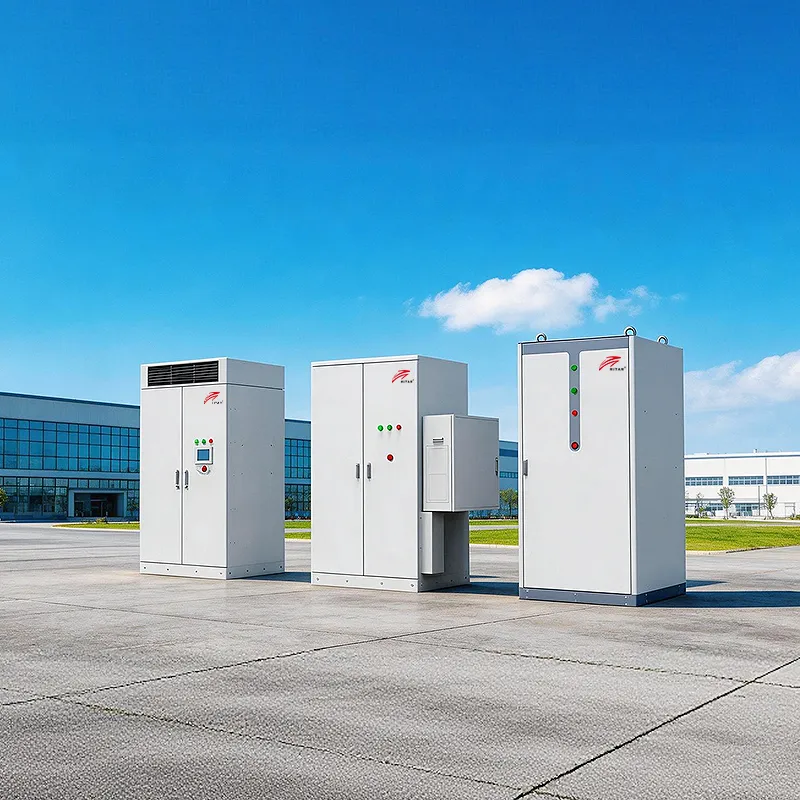
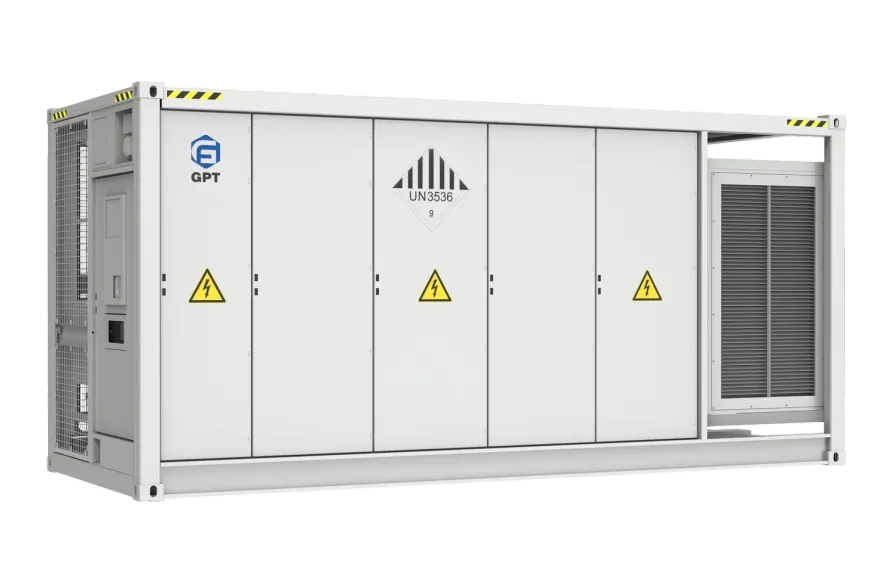
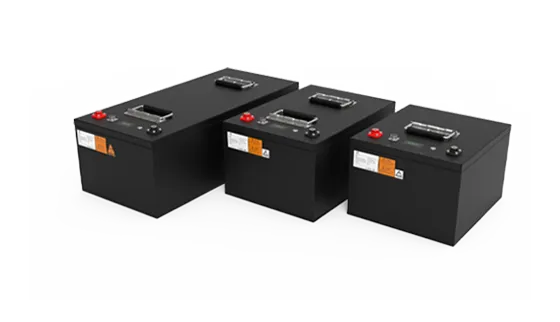
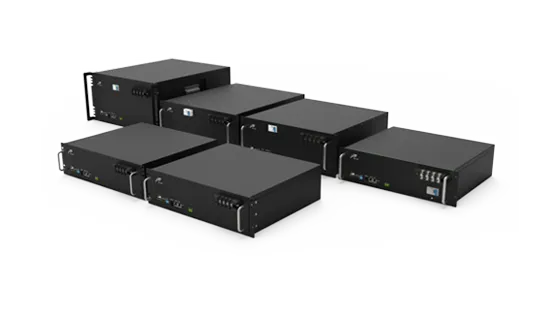
A 1MWh BESS typically consists of battery modules, a power conversion system (PCS), a battery management system (BMS), and thermal management and safety systems. The battery modules store electrical energy, which can be discharged through the PCS to provide AC power when needed. The BMS monitors and controls the battery's state of charge, voltage, current, and temperature to ensure safe and efficient operation.
B. Different types of battery technologies used in 1MWh BESS
There are several battery technologies available for 1MWh BESS, including lithium-ion, lead-acid, and flow batteries. Each technology has its own advantages and disadvantages in terms of cost, performance, and lifespan. Lithium-ion batteries are currently the most popular choice due to their high energy density and long cycle life, but they are also more expensive.
C. Applications of 1MWh BESS in the energy market
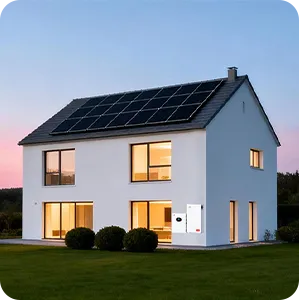
1MWh BESS can be used in various applications in the energy market, such as grid stabilization, peak shaving, frequency regulation, renewable energy integration, and backup power. By providing these services, BESS can help improve the reliability and efficiency of the power grid and reduce the cost of electricity for consumers.
III. Impact of 1MWh BESS on Grid Stability and Reliability
A. Role of BESS in maintaining grid stability
BESS can play a crucial role in maintaining grid stability by providing reactive power support, voltage regulation, and frequency control. By quickly responding to changes in grid conditions, BESS can help prevent blackouts and brownouts and ensure a reliable power supply.
B. Impact on power quality
BESS can also improve power quality by filtering out harmonics and reducing voltage fluctuations. This can be particularly beneficial for sensitive equipment such as computers, medical devices, and industrial machinery.
C. Contribution to grid resilience
In addition to grid stability and power quality, BESS can contribute to grid resilience by providing backup power during emergencies and natural disasters. By storing energy when the grid is stable and discharging it when needed, BESS can help keep the lights on and critical services running.
IV. Impact of 1MWh BESS on Renewable Energy Integration
A. Challenges of integrating renewable energy sources
The intermittent nature of renewable energy sources such as solar and wind power poses a significant challenge to grid stability and reliability. As the penetration of renewable energy increases, the need for energy storage solutions to smooth out the fluctuations in power output becomes more urgent.
B. Role of BESS in enabling higher penetration of renewable energy
BESS can help integrate renewable energy sources by storing excess energy when production is high and discharging it when demand is high or when renewable energy production is low. This can help balance the grid and reduce the need for backup power from fossil fuel-based generators.
C. Impact on the economics of renewable energy
By enabling higher penetration of renewable energy, BESS can also have a positive impact on the economics of renewable energy. As the cost of renewable energy continues to decline, the addition of BESS can make renewable energy projects more financially viable and attractive to investors.
V. Impact of 1MWh BESS on Energy Prices and Market Dynamics
A. Effect on electricity prices
BESS can have a significant impact on electricity prices by providing peak shaving and load shifting services. By reducing peak demand, BESS can help lower electricity prices for consumers and reduce the need for new power plants and transmission lines.
B. Impact on market participants
BESS can also affect the behavior of market participants, such as power generators, retailers, and consumers. For example, power generators may need to adjust their production strategies to account for the presence of BESS, while retailers may offer new products and services based on BESS. Consumers may also be able to participate in demand response programs and earn incentives by using BESS to manage their energy consumption.
C. Potential for new business models
The introduction of 1MWh BESS can create new business models and opportunities in the energy market. For example, energy storage as a service (ESaaS) providers may emerge, offering BESS to consumers and businesses on a subscription basis. Additionally, BESS can be used in virtual power plants (VPPs), where multiple distributed energy resources are aggregated and managed to provide grid services.
VI. Challenges and Future Prospects of 1MWh BESS in the Energy Market
A. Technical and economic challenges
Despite its potential benefits, 1MWh BESS faces several technical and economic challenges. These include high initial cost, limited lifespan of battery modules, and the need for proper thermal management and safety systems. Additionally, the economics of BESS may not be favorable in all markets, depending on factors such as electricity prices, regulatory policies, and the availability of alternative energy storage solutions.
B. Regulatory and policy considerations
The deployment of 1MWh BESS also requires consideration of regulatory and policy issues. These include grid interconnection standards, safety regulations, and incentives for the use of energy storage systems. Policymakers need to develop appropriate policies and regulations to encourage the deployment of BESS and ensure its safe and efficient operation.
C. Future research and development directions
To address the challenges and realize the full potential of 1MWh BESS, future research and development efforts should focus on improving battery technologies, reducing costs, and developing advanced control algorithms. Additionally, research on the integration of BESS with other technologies such as smart grids and renewable energy systems should be prioritized.
D. Conclusion and outlook
In conclusion, a 1MWh BESS has the potential to significantly impact the energy market by improving grid stability and reliability, enabling higher penetration of renewable energy, and reducing electricity prices. However, to fully realize its potential, technical and economic challenges need to be addressed, and appropriate regulatory and policy frameworks need to be developed. With continued research and development and supportive policies, the future prospects of 1MWh BESS in the energy market are promising.
 EN
EN

 Residential
 Industrial and Commercial
 Data Center
 Railway
 Telecom Base Station
 Motive Power
 Others