Introduction:
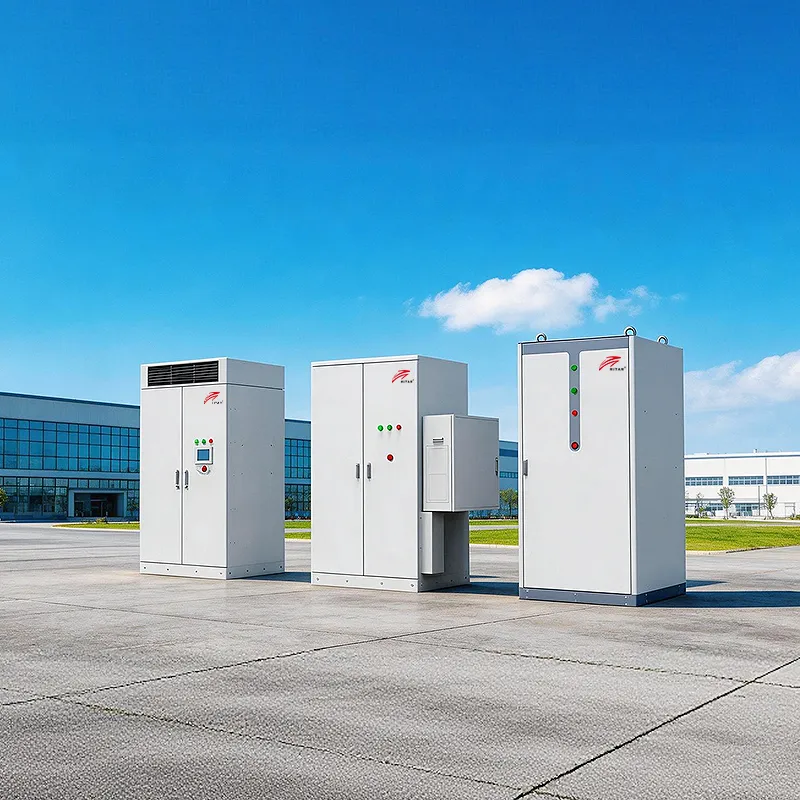
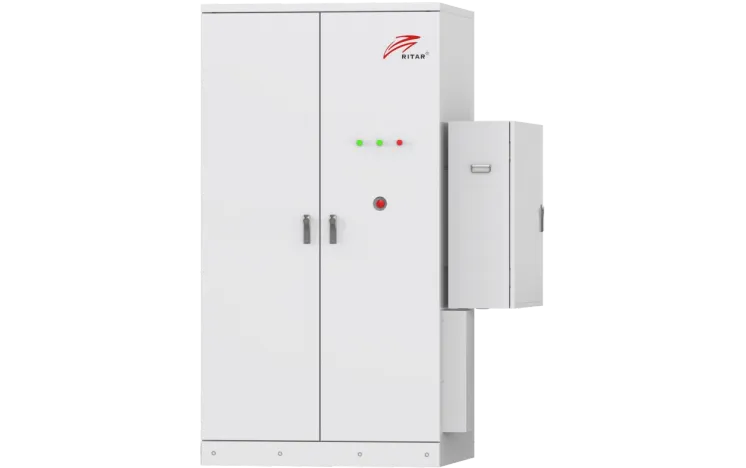
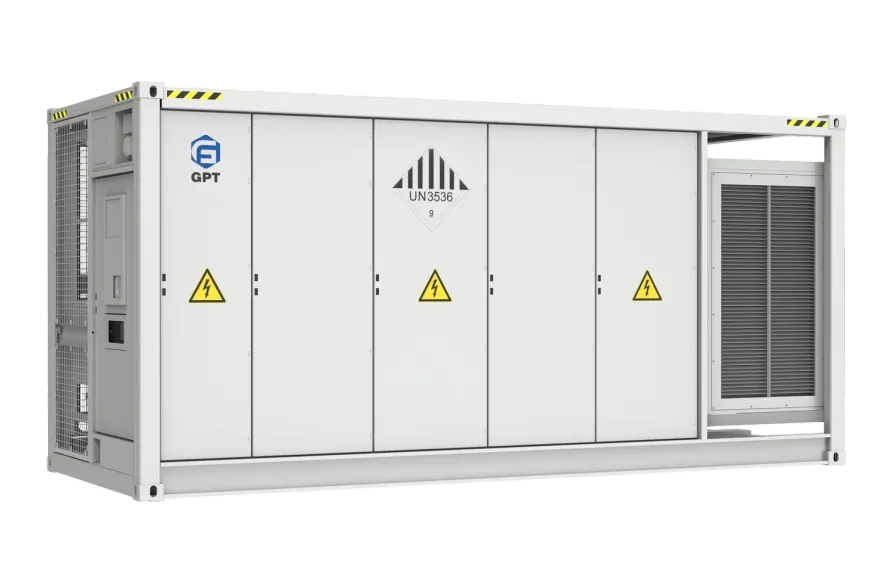
In an era of increasing energy demand and the growing importance of renewable energy sources, energy storage systems have become a crucial component of the modern energy landscape. A 2MWh energy storage system represents a significant investment, and it is essential to conduct a comprehensive cost-benefit analysis to determine its viability and potential returns. This article will explore the various aspects of a cost-benefit analysis for a 2MWh energy storage system.
I. Understanding the Need for Energy Storage Systems
A. The challenges of intermittent renewable energy sources
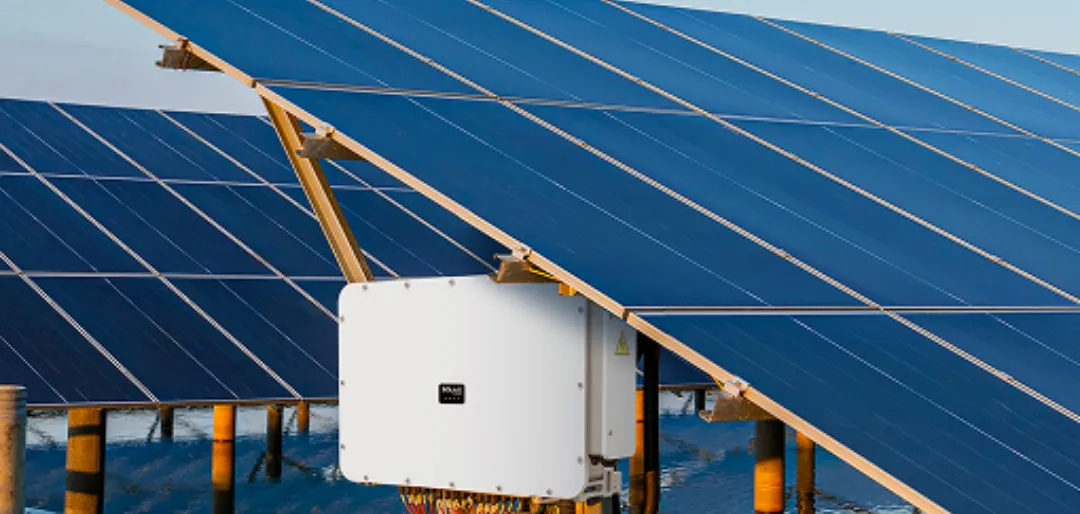
Renewable energy sources such as solar and wind power are intermittent in nature, meaning their output fluctuates depending on weather conditions and time of day. This intermittency poses a significant challenge to the stability and reliability of the power grid. Energy storage systems can help address this issue by storing excess energy generated during peak production periods and releasing it when needed.
B. The role of energy storage in grid stability and reliability
Energy storage systems play a crucial role in maintaining grid stability and reliability. They can help smooth out fluctuations in power supply and demand, reducing the need for backup power plants and enhancing the overall efficiency of the power grid. Additionally, energy storage systems can provide backup power during emergencies and power outages, ensuring a continuous supply of electricity.
C. The benefits of energy storage for different stakeholders
Energy storage systems offer several benefits for different stakeholders. For utilities, they can help manage peak demand, reduce transmission and distribution losses, and improve grid stability. For consumers, they can provide cost savings by enabling time-of-use pricing and reducing reliance on the grid. For renewable energy developers, they can enhance the value of their projects by providing a stable and reliable power output.
II. Components and Costs of a 2MWh Energy Storage System
A. Battery technology options
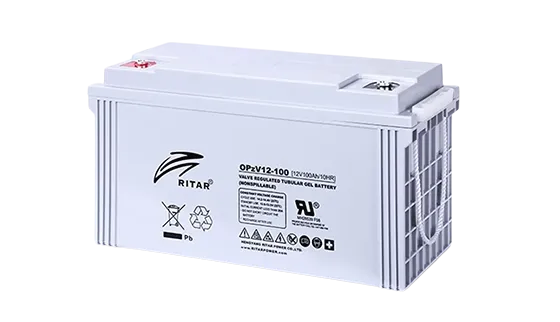
There are several battery technology options available for a 2MWh energy storage system, including lithium-ion, lead-acid, and flow batteries. Each technology has its own advantages and disadvantages in terms of cost, performance, and lifespan. Lithium-ion batteries are currently the most popular choice due to their high energy density, long cycle life, and fast charging capabilities. However, they are also more expensive than other battery technologies.
B. Inverter and control systems
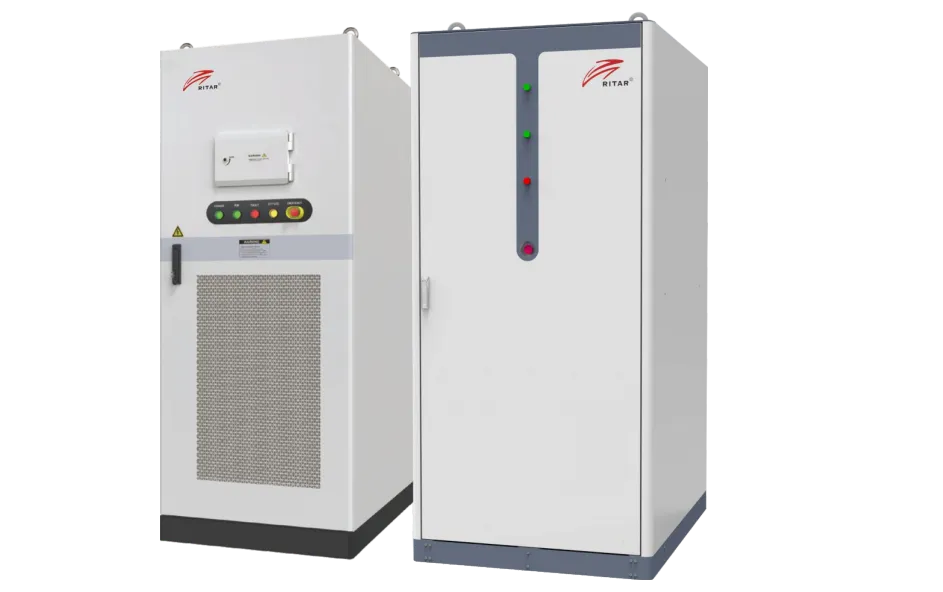
In addition to the battery, a 2MWh energy storage system requires an inverter and control system to convert the stored DC power into AC power for use by the grid or end-users. The cost of the inverter and control system can vary depending on the complexity and features of the system.
C. Installation and integration costs
Installing a 2MWh energy storage system involves significant costs for site preparation, electrical connections, and integration with the existing power grid. These costs can vary depending on the location and complexity of the installation.
D. Maintenance and operational costs
Energy storage systems require regular maintenance and monitoring to ensure optimal performance and longevity. Maintenance costs can include battery replacement, software updates, and system inspections. Operational costs may include electricity consumption for cooling and ventilation systems.
III. Benefits of a 2MWh Energy Storage System
A. Grid services and revenue streams
A 2MWh energy storage system can provide several grid services, such as peak shaving, frequency regulation, and voltage support. These services can generate revenue for the system owner through participation in electricity markets or through contracts with utilities.
B. Cost savings for consumers
For consumers, a 2MWh energy storage system can provide cost savings by enabling time-of-use pricing and reducing reliance on the grid. Consumers can charge the system during off-peak hours when electricity prices are low and use the stored energy during peak hours when prices are high.
C. Environmental benefits
Energy storage systems can help reduce greenhouse gas emissions by enabling the integration of renewable energy sources and reducing the need for fossil fuel-based backup power plants. Additionally, they can improve air quality and reduce the environmental impact of power generation.
D. Increased energy independence
A 2MWh energy storage system can provide increased energy independence for businesses and communities by reducing reliance on the grid. This can be especially beneficial in remote areas or during emergencies when the grid may be unreliable.
IV. Cost-Benefit Analysis Methodology
A. Financial analysis techniques
To conduct a cost-benefit analysis of a 2MWh energy storage system, several financial analysis techniques can be used, including net present value (NPV), internal rate of return (IRR), and payback period. These techniques take into account the initial investment, operating costs, revenue streams, and the time value of money to determine the financial viability of the project.
B. Sensitivity analysis
Sensitivity analysis can be used to assess the impact of different variables on the cost-benefit analysis. For example, changes in electricity prices, battery degradation rates, and revenue streams can have a significant impact on the financial viability of the project. Sensitivity analysis can help identify the key drivers of the project's success and inform decision-making.
C. Life cycle assessment
A life cycle assessment (LCA) can be conducted to evaluate the environmental impacts of a 2MWh energy storage system over its entire life cycle, from manufacturing to disposal. This can help identify areas where environmental improvements can be made and inform sustainable design decisions.
V. Case Studies of 2MWh Energy Storage Systems
A. Successful implementations
Examining case studies of successful 2MWh energy storage systems can provide valuable insights into the benefits and challenges of implementing such systems. Case studies can highlight the different applications and revenue streams of energy storage systems and demonstrate their potential for cost savings and grid stability.
B. Lessons learned
Analyzing the lessons learned from past projects can help inform future decisions and improve the design and implementation of 2MWh energy storage systems. Lessons learned may include best practices for installation, operation, and maintenance, as well as strategies for maximizing revenue and minimizing costs.
VI. Conclusion
A. Summary of findings
In conclusion, a cost-benefit analysis of a 2MWh energy storage system requires a comprehensive evaluation of the costs and benefits associated with the project. This analysis should take into account the different components of the system, the potential revenue streams, and the environmental impacts.
B. Recommendations for decision-making
Based on the cost-benefit analysis, recommendations can be made for decision-makers considering investing in a 2MWh energy storage system. These recommendations may include factors to consider when choosing battery technology, strategies for maximizing revenue, and best practices for installation and operation.
C. Future outlook for energy storage systems
Finally, the future outlook for energy storage systems is promising, as the demand for renewable energy and grid stability continues to grow. As technology advances and costs continue to decline, energy storage systems are likely to become an increasingly important part of the energy landscape.
In summary, a 2MWh energy storage system represents a significant investment, and a comprehensive cost-benefit analysis is essential to determine its viability and potential returns. By considering the various costs and benefits associated with the project, decision-makers can make informed decisions about investing in energy storage systems and contribute to a more sustainable and reliable energy future.
 EN
EN

 Residential
 Industrial and Commercial
 Data Center
 Railway
 Telecom Base Station
 Motive Power
 Others